
So much of marketing boils down to understanding social psychology and human behavior. If you, as a store owner, can tap into these primordial triggers–shaped by million years of evolution–you can sell your products a whole lot better.
Reciprocity in marketing is more powerful in e-commerce email marketing in 2026 than ever before. Consumers are increasingly skeptical of brands that only reach out when they want something.
Brands that consistently apply reciprocity throughout their email flows see higher open rates, stronger loyalty, and significantly lower unsubscribe rates than those relying purely on promotional campaigns.
Cut your email marketing bill by 67%
No limits on contacts. Pay only for what you use.
What is Reciprocity?
Think about the last time you were at Walmart and someone offered you a free sample of Spicy Salsa. Did you feel the urge to get a bottle?
Of course, you did! That’s reciprocity at work, my friend!
It’s human nature to hate being indebted to others. We’re wired to return favors and offer something when we receive something. There’s a reason it’s the first principle in Cialdini’s Influence: The Psychology of Persuasion.
It’s just a long-winded way of saying: I’ll scratch your back, you scratch mine.
Reciprocity in marketing is more powerful in 2026 than ever before. Consumers are increasingly skeptical of brands that only show up when they want something. For example, 80% of consumers say they are more likely to do business with a brand that personalizes their experience and gives them real value.
Brands that apply reciprocity throughout their email flows consistently see higher open rates and lower unsubscribe rates than those relying purely on promotional campaigns.
How to use it
Like in real life, Reciprocity works well in business too. When you offer something of value to your subscribers, they feel obligated to reciprocate it…by buying something from you, hopefully.
Offer a small gift (like discounts, downloads, entertaining BTS) that has inherent value while asking shoppers to take an action–whether it’s clicking a link, buying a product or sharing information.
Here are a few ways you can use reciprocity to your advantage:
- Free gift with purchase
- Discount coupon for future purchases
- Content, ebooks and guides within which you can add a quiz or survey
- Free consultation sessions
- Free product trials
- Offer free shipping
- Style tips or behind-the-scenes looks
- Giveaways
The most effective reciprocity principle marketing tactics in 2026 go well beyond discounts and free shipping. Brands that offer personalized guides, expert consultations, or exclusive community access create a far deeper sense of gratitude than those offering purely transactional incentives. Give something genuinely useful before you ask for anything, and your subscribers will remember it.
Examples
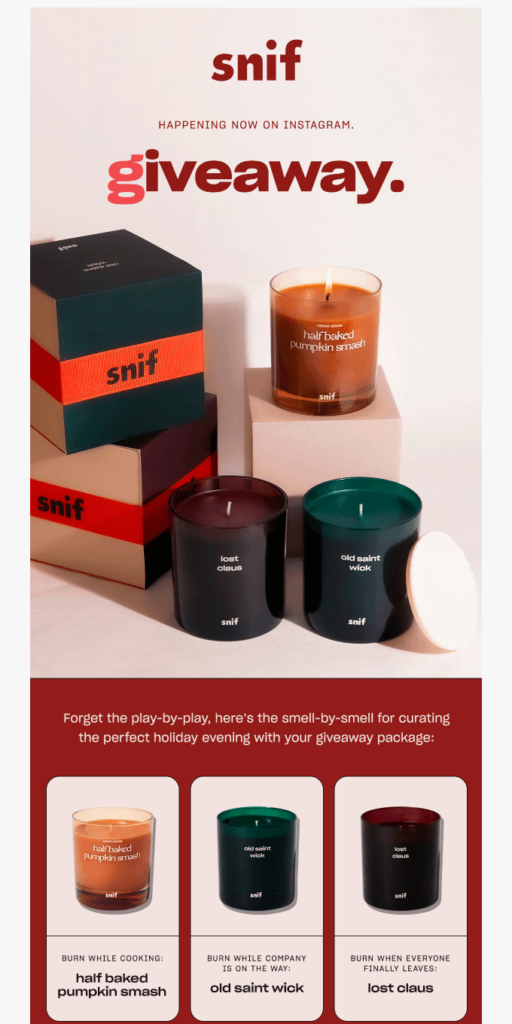
Snif is an online store that specializes in fine fragrance and scented candles. They take a simple and straightforward approach while employing reciprocity.
They run giveaways on Instagram periodically. They also offer free returns and an in-home free trial for 7 days before people need to make a purchase.
By giving value upfront, their shoppers feel obliged to make a purchase.
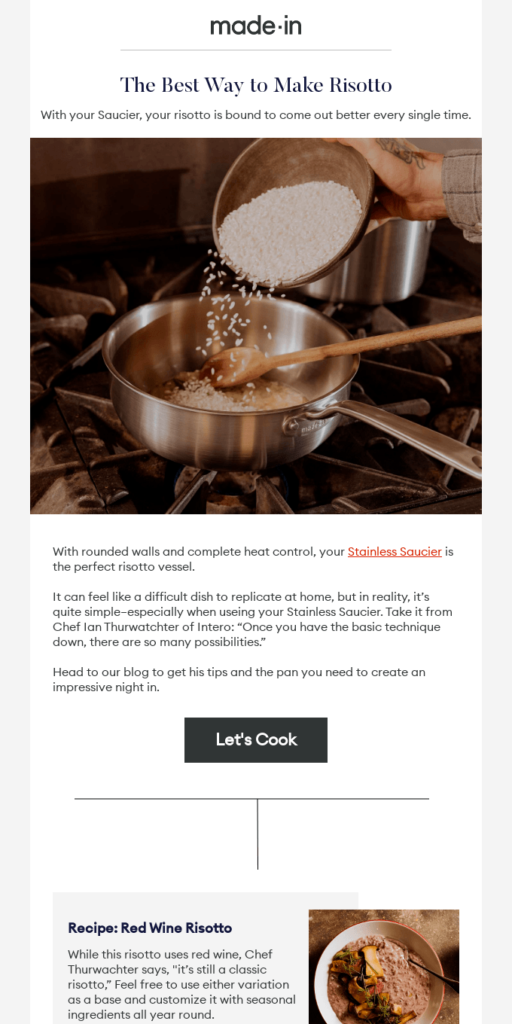
Made In is a professional-quality cookware brand. It’s one of the few brands in the space that offer good, free content that complements the items they sell.
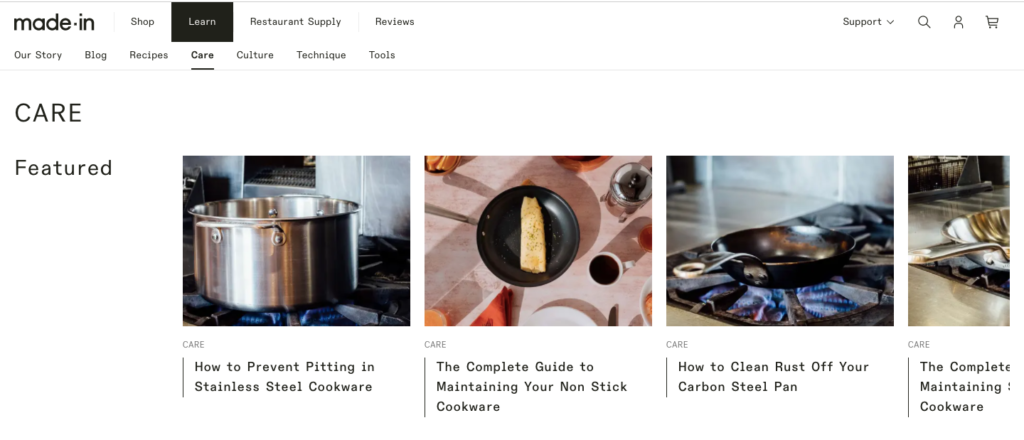
Their email newsletter contains recipes, technique, and cookware care information for free.
Their website has a dedicated “Learn” section as well.
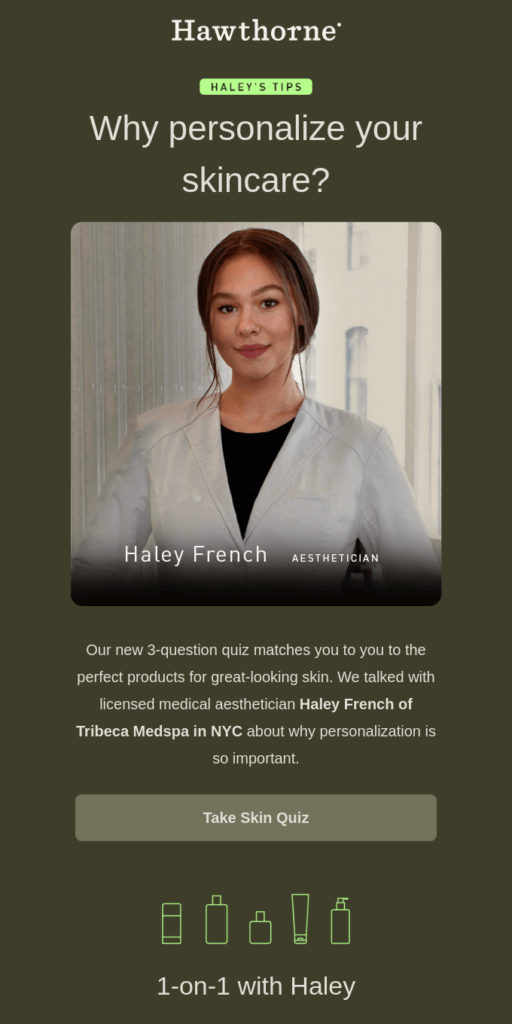
Hawthorne is a personalized skincare brand. They offer 1:1 sessions with an Aesthetician to help curate a personalized skincare regimen for you.
Let’s say, you get so much value out of this blog (I really hope you do), and I ask you to share this with others or sign up to Forward, would you consider doing it lol?
Snif, Made In, and Hawthorne all share one thing. They give something of real value before asking for anything in return. That is Cialdini reciprocity in action. In 2026, this approach matters more than ever as consumers grow increasingly resistant to hard-sell tactics and more loyal to brands that treat them like people rather than conversion targets.
5 Ways to Apply the Reciprocity Principle in Your Email Campaigns Right Now
Most brands wait until they have something to sell before they reach out. That is the wrong order. Give first, and the ask becomes much easier.
Here are five practical ways to apply reciprocity in marketing across your email flows right now.
1. Send a Free Resource in Your Welcome Sequence
Before you pitch a single product, give new subscribers something genuinely useful. A skincare brand could send a free skin type guide. A fitness brand could send a starter workout plan. Glossier executed this strategy well by leading new subscribers with education before any product recommendation arrives.
2. Offer a Free Quiz or Consultation as a Lead Magnet
A quiz or a free consultation gives the subscriber something personalized in exchange for their contact details. That feels very different from a generic discount. It also gives you zero-party data you can use to make every future email more relevant.
3. Add Value to Every Promotional Email
Even when you are running a sale, include something useful alongside the offer. A recipe, a tip, a how-to guide. One piece of genuinely helpful content in a promotional email shifts the entire tone from “buy this” to “here’s something that might help you.”
4. Surprise Loyal Customers With an Unexpected Gift
Send your best customers something they did not expect — early access, a free product, or an exclusive discount with no strings attached. That kind of surprise creates the strongest sense of reciprocity because the subscriber never asked for it.
5. Share Behind-the-Scenes Content
Behind-the-scenes content makes subscribers feel like insiders. When people feel trusted and included, they feel connected to the brand. That connection is what converts a one-time buyer into a loyal repeat customer.
Cut your email marketing bill by 67%
No limits on contacts. Pay only for what you use.
Conclusion
Reciprocity in marketing is not a trick. It is a fundamental human behavior that brands can align with to build real trust and loyalty.
In 2026, the brands earning the deepest customer loyalty are those that give more than they take. For example, they provide education, value, access, and care before the ask.
Take a look at your current email flows and find one place where you can add a genuine act of value before your next promotional message. That one change can shift how subscribers feel about your brand entirely.
If you want help building reciprocity into your email strategy, our team is happy to take a look at your current setup.
FAQs
What is the reciprocity principle in marketing?
Reciprocity in marketing is the practice of giving something of value to a potential customer before asking for anything in return. It is based on the psychological principle that people feel obligated to give back when they receive something. Robert Cialdini identified it as the first and most powerful principle in his book Influence: The Psychology of Persuasion.
How do e-commerce brands use reciprocity in email marketing?
Brands apply reciprocity through free gifts with purchase, educational content in newsletters, free consultations, and surprise rewards for loyal customers. The goal is to create a genuine sense of gratitude before making a product ask. Subscribers who feel they have received real value are far more likely to open future emails and complete a purchase.
What are the best examples of reciprocity in e-commerce?
Snif offers a free 7-day in-home trial before requiring a purchase. Made In sends genuinely useful cooking content before recommending products. Hawthorne offers a free 1:1 skincare consultation as their entry point. All three give something of real value before asking for anything.
How does giving value first increase e-commerce sales?
When a subscriber receives something useful before being asked to buy, they feel a natural sense of obligation to reciprocate. That psychological pull lowers purchase resistance significantly. Brands that consistently lead with value see higher open rates, stronger click-through rates, and more repeat purchases than those that lead with promotional content.